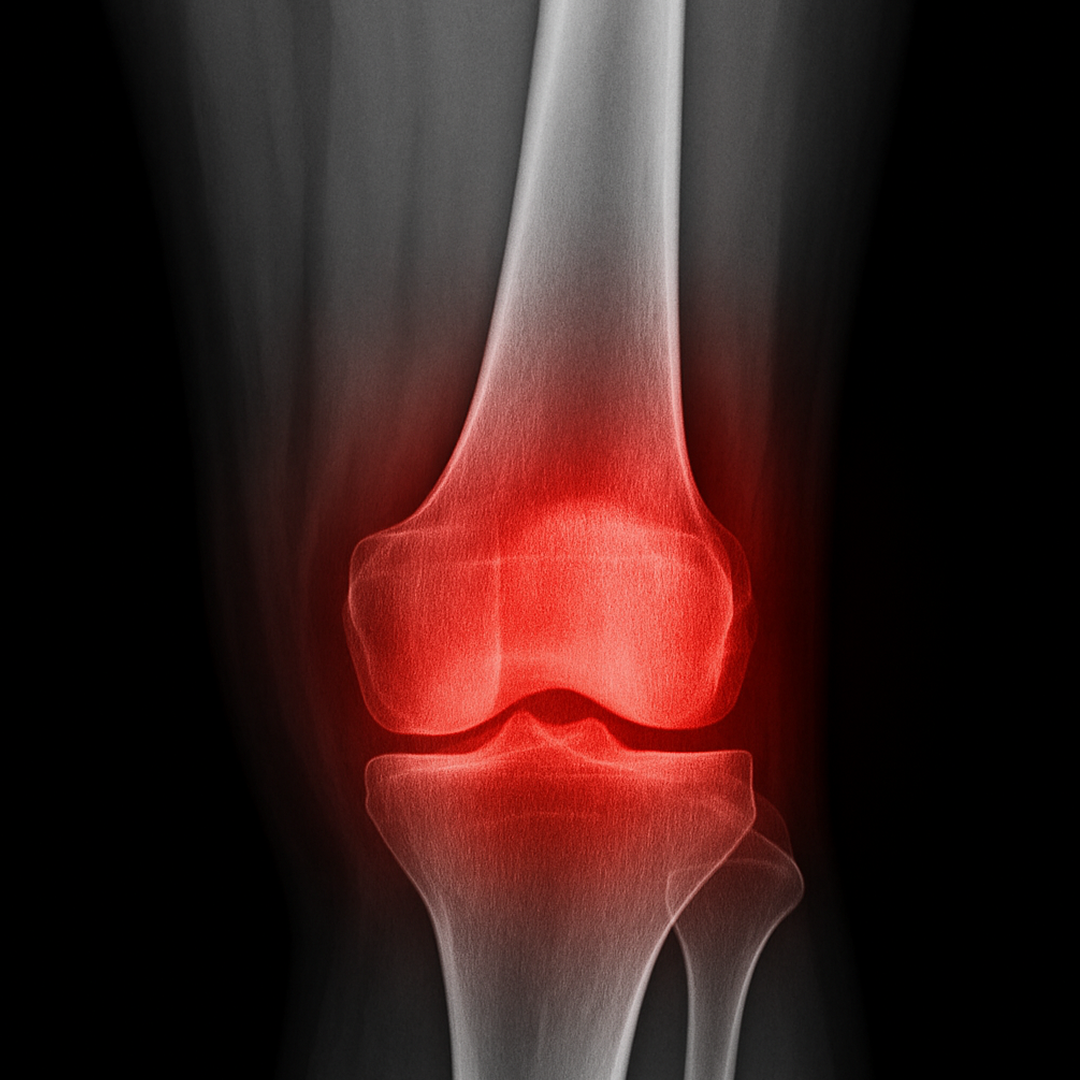
When a man has shoulder pain, he immediately gets MRI scans, steroid shots, and insurance-covered rehab sessions.
When a woman has shoulder pain after menopause?
She's told to "Just do some stretches" or "Take some Advil."
I sat in my fifth orthopedist's waiting room in 12 months, gripping the armrest so tightly my nails left marks.
The first doctor said "probably just tendonitis." The second said "try some stretching." The third said "maybe you need PT." The fourth said "perimenopause is trendy right now."
Meanwhile, my brother-in-law injured his rotator cuff playing softball and was immediately rushed into imaging, therapy, and follow-ups within a week. One appointment. One diagnosis. Fully covered.
But me?
I was left to silently endure shoulder stiffness that made me cry in the shower, excruciating pain when reaching overhead, and waking up every night from rolling onto that shoulder.
Then Dr. Parker looked at my MRI and said something that changed everything:
"This isn't in your head. Your fascia is strangling your shoulder with scar tissue adhesions. And it's directly linked to menopause."
She explained: After menopause, fascia - the thin tissue wrapping around every muscle and joint - becomes dehydrated and starts forming thick scar tissue that glues your shoulder blade to surrounding tissue.
It literally strangles your joint.
That's why stretching makes it worse. That's why cortisone wears off. That's why surgery often fails - they're addressing the joint, not the fascia strangling it.
Here are 7 signs scar tissue is strangling your shoulder - and the solution 4,647 women used to dissolve it without surgery.